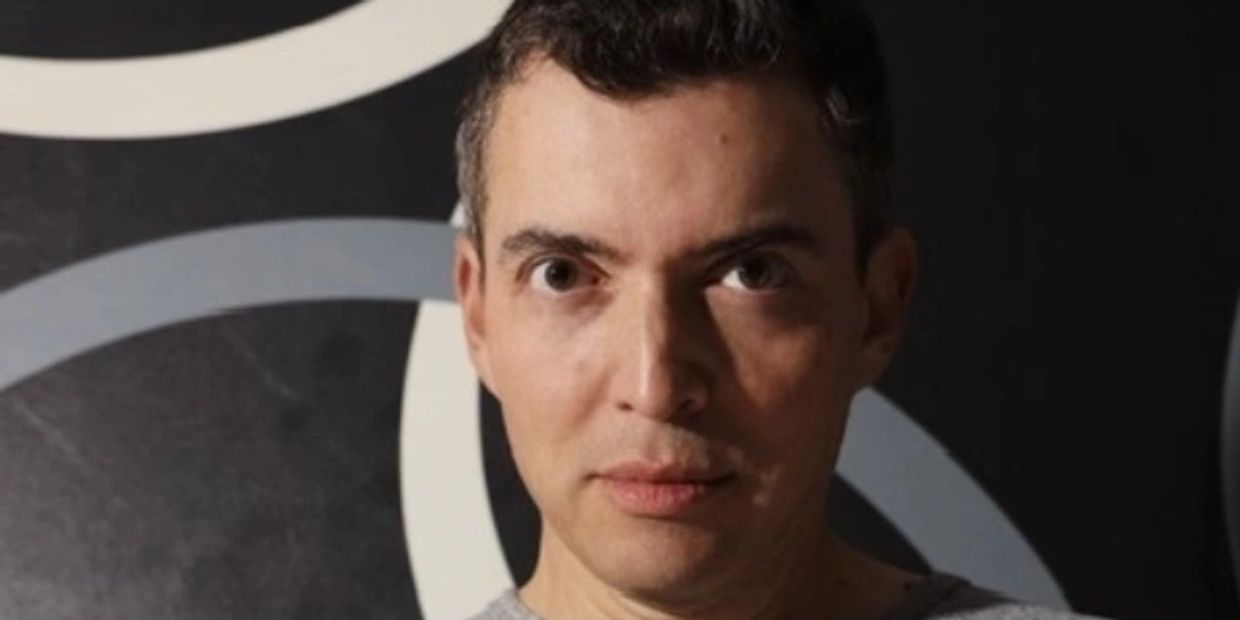
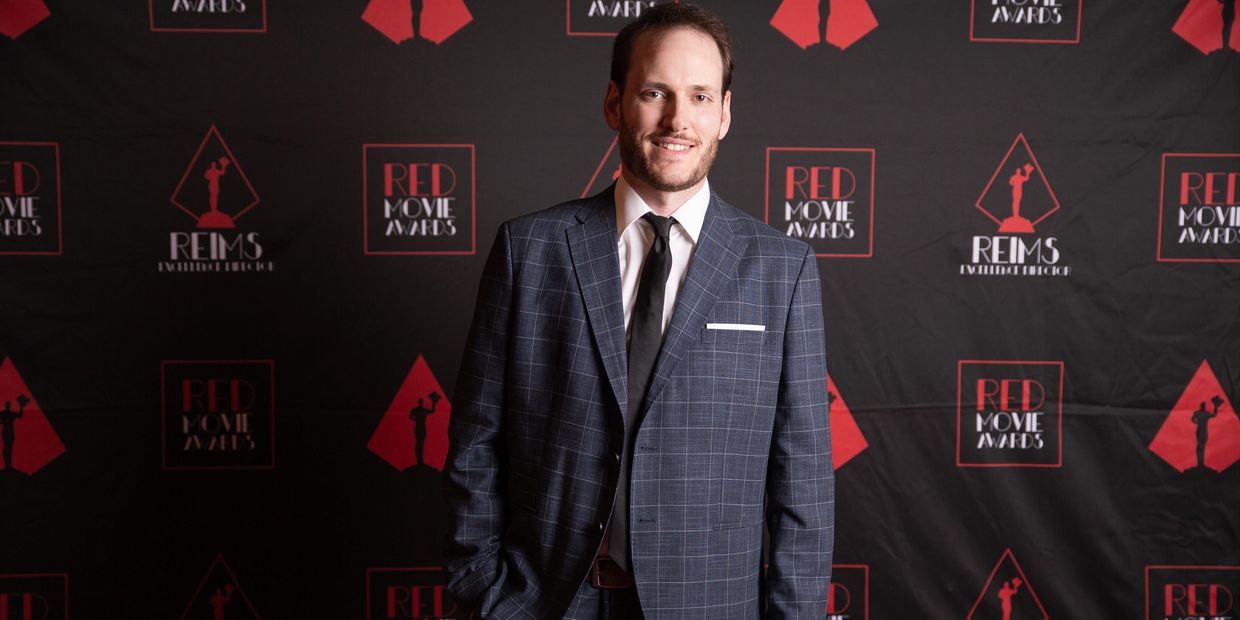
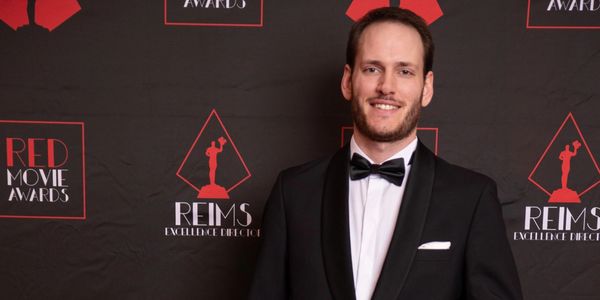
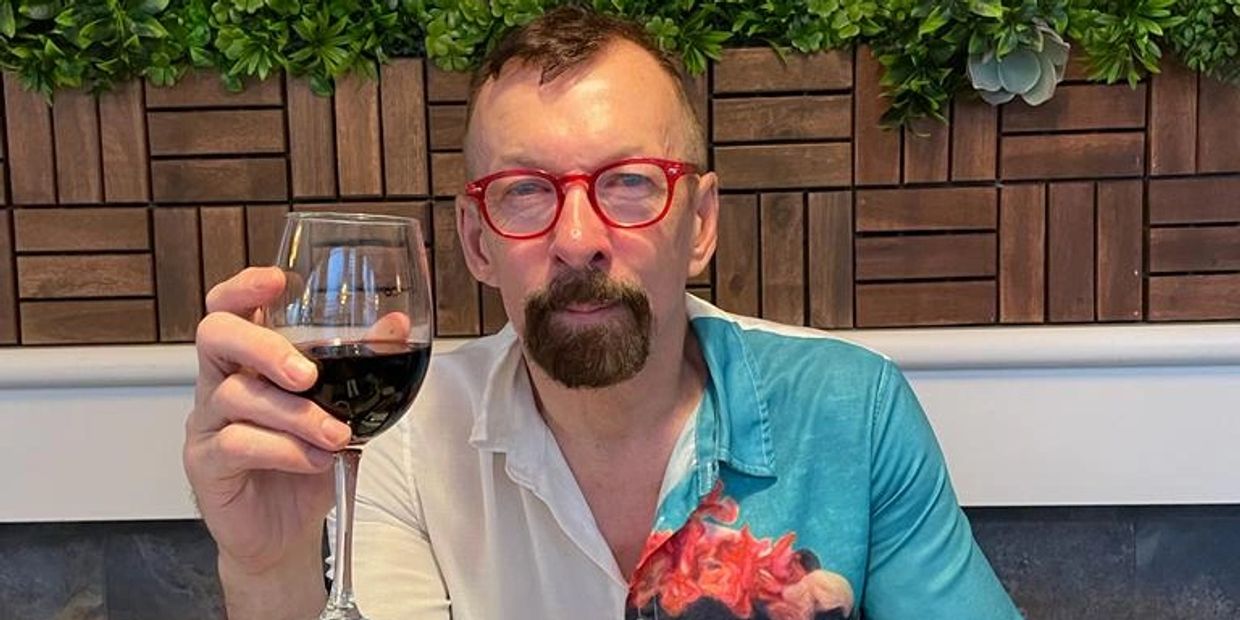
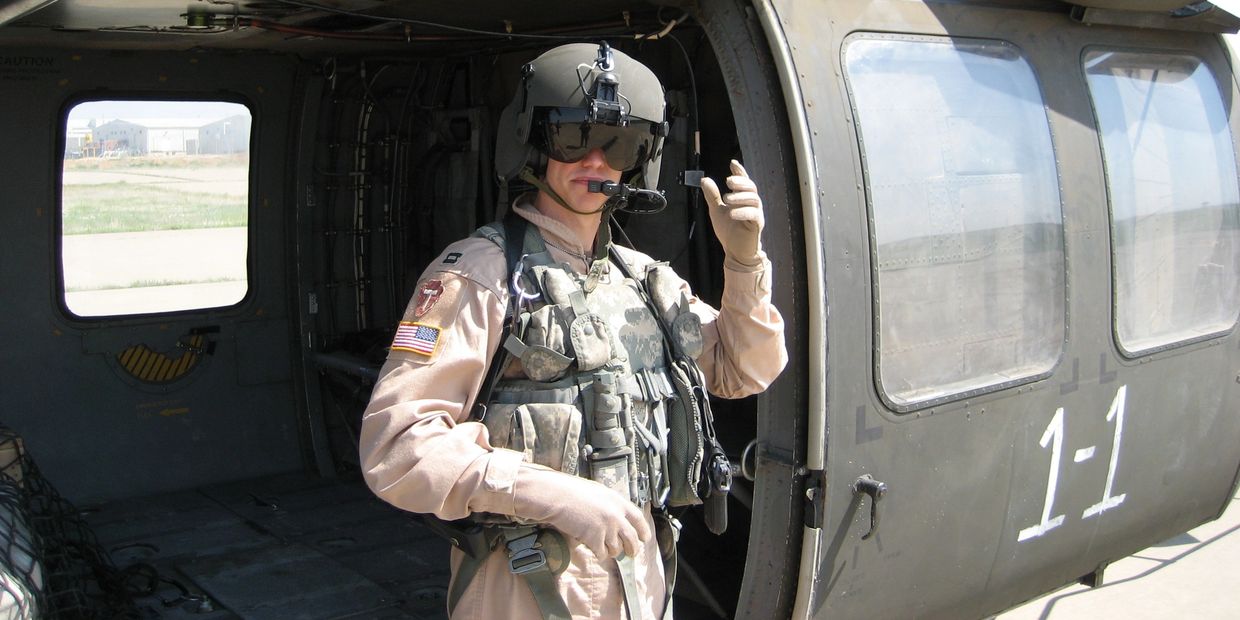
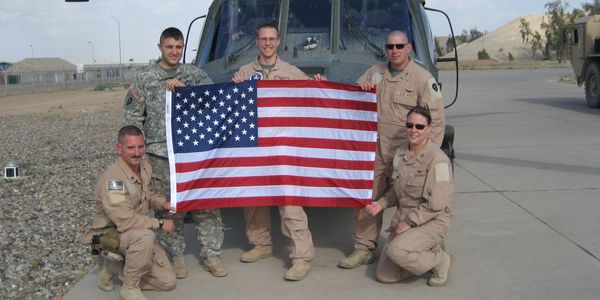
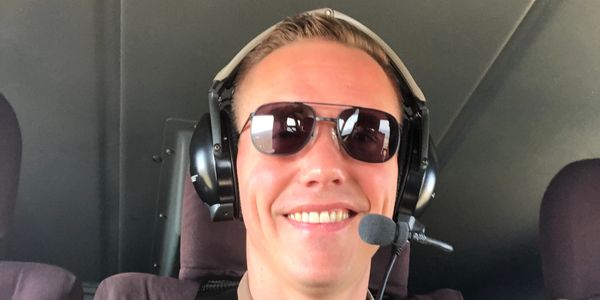
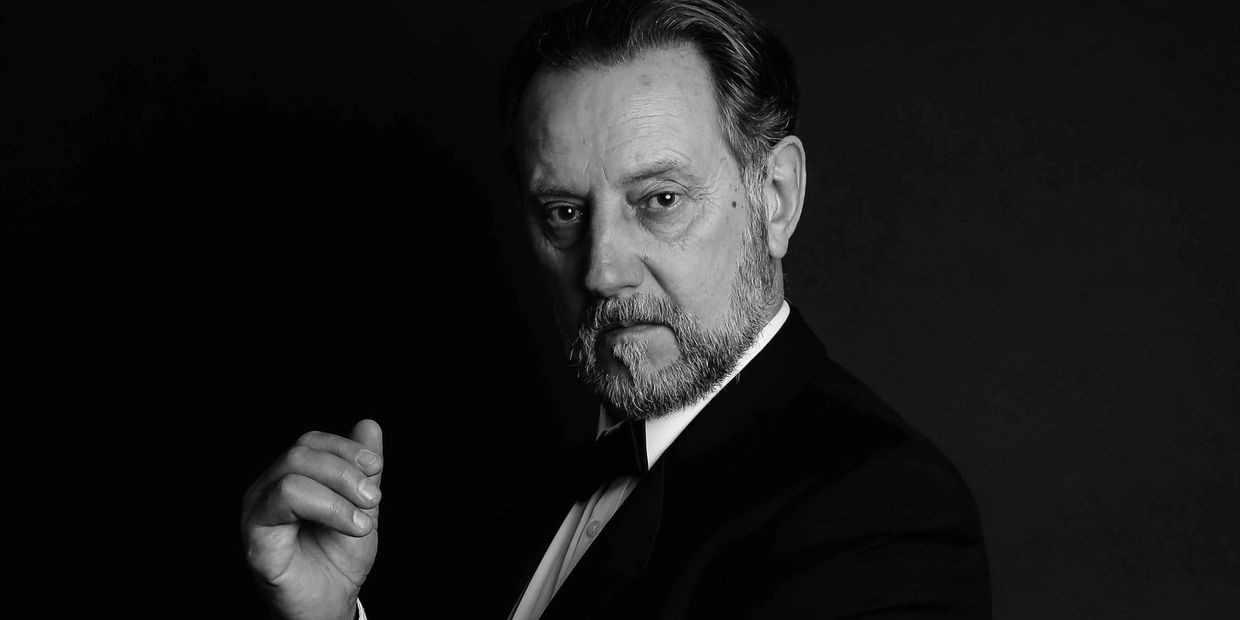
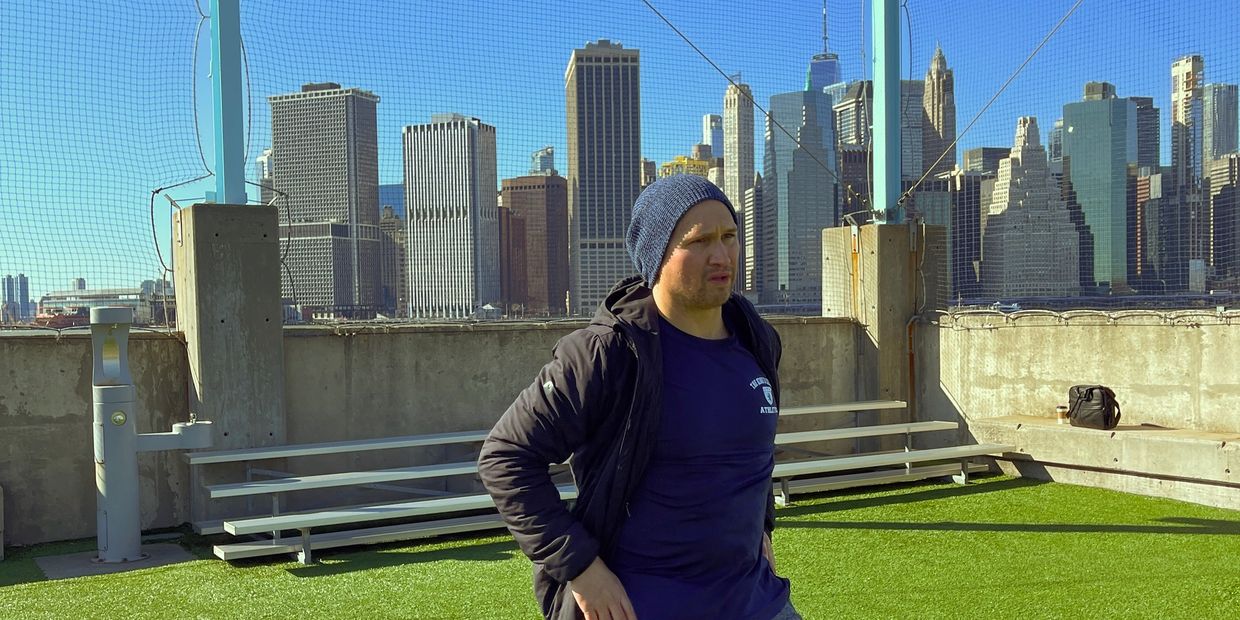
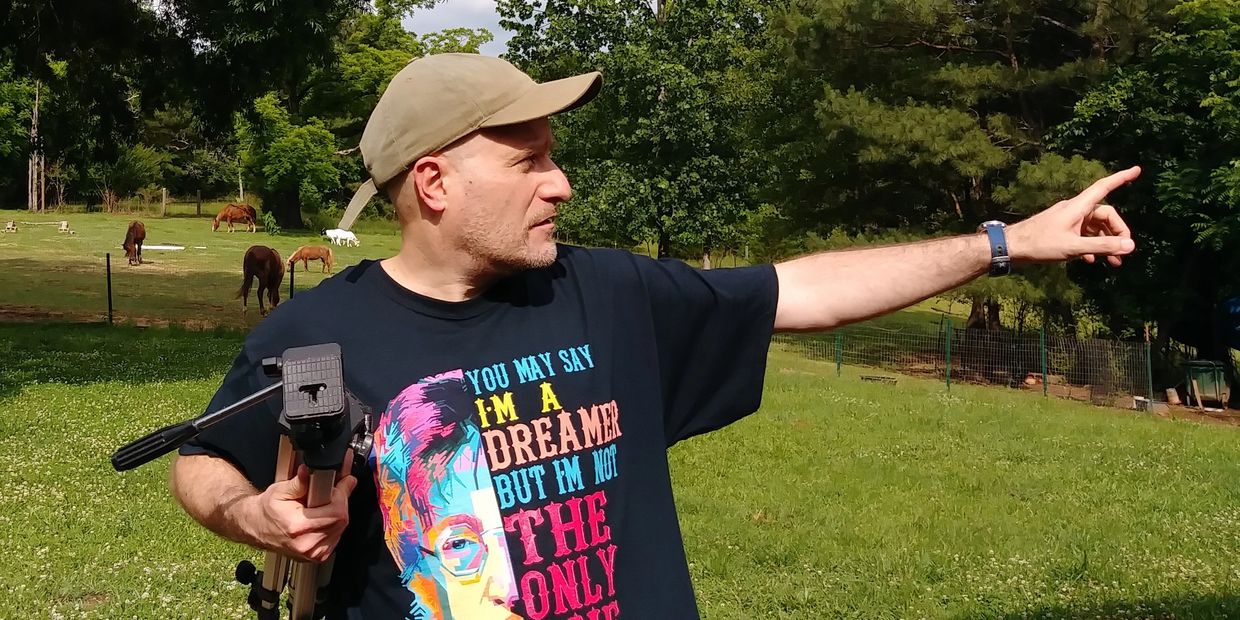
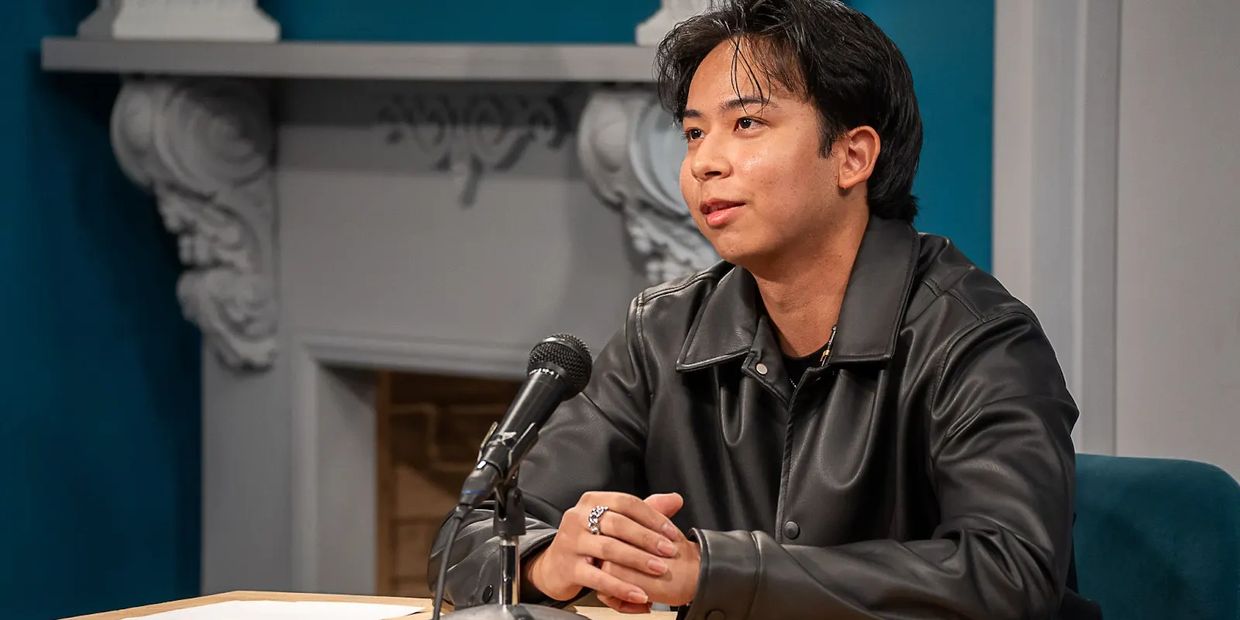
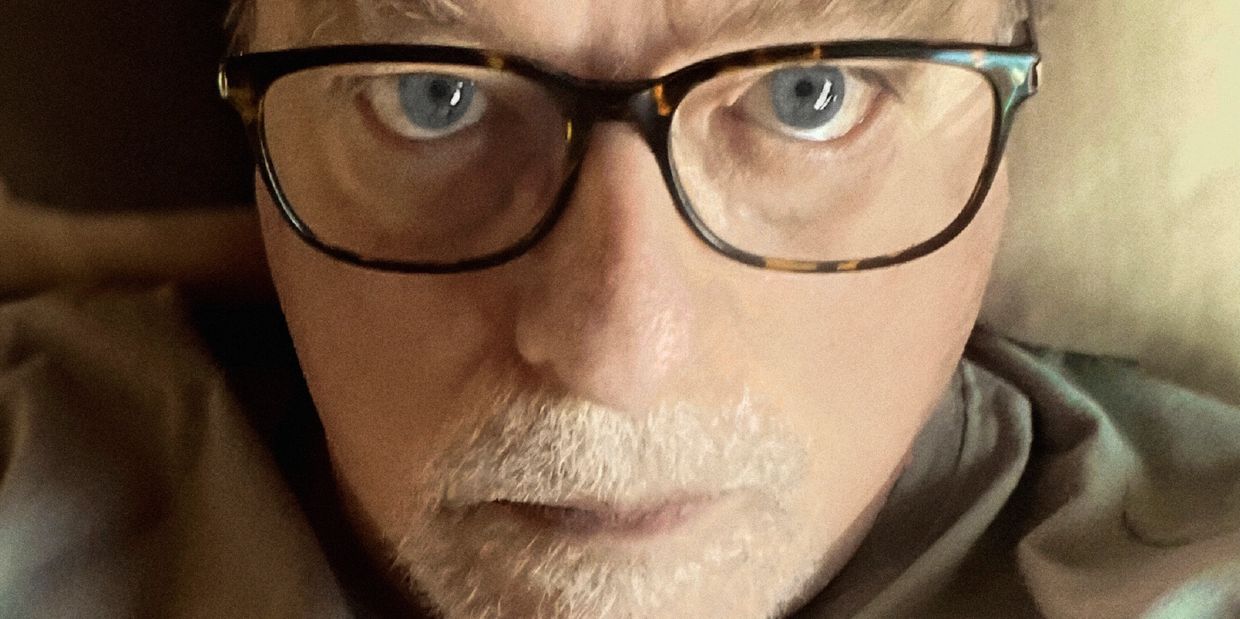
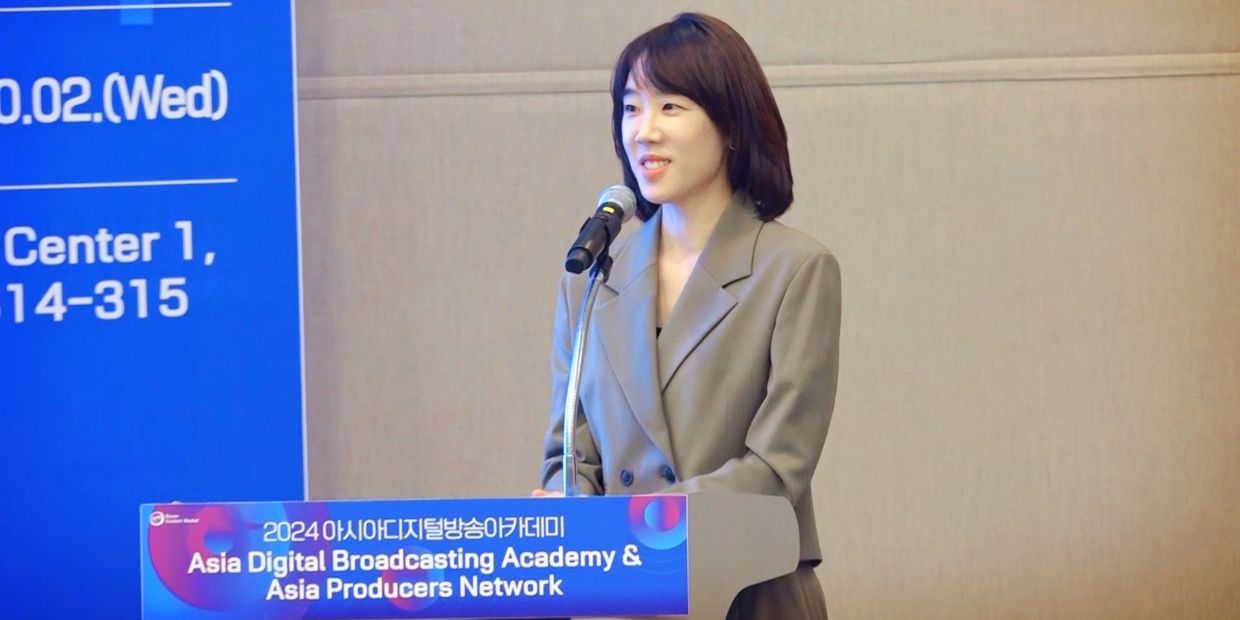
Dr. (Colonel) Josh McConkey is an award-winning/best-selling author and esteemed Emergency Physician with over two decades of clinical experience. He served as a professor at Duke University and maintains Board Certification in Emergency Medicine. With 22 years of military service, Dr. McConkey now commands the 459th Aeromedical Staging Squadron in the US Air Force Reserves, demonstrating exceptional leadership and dedication. Beyond his medical and military achievements, Dr. McConkey has been recognized for his contributions to education and community. He was honored in 2022 with induction into the Alliance, Nebraska Public Schools Hall of Fame and received the 2023 Distinguished Alumni Award from Chadron State College. A devoted father of three, his greatest passion lies in shaping future American leaders alongside his wife, Elsa, in Apex, North Car
When did you realize you wanted to be a Filmmaker\Actor\Writer?
I wrote my first screenplay while I was a doctor in training. At the time, it was simply an outlet—a way to unwind and exercise the creative side of my brain after long, demanding days. I found that storytelling offered a kind of clarity and freedom that contrasted powerfully with the structured world of medicine. That experience lit a spark. I didn’t know then where it would lead, but I knew I had found something deeply fulfilling. Even now, writing remains a source of joy and expression, and it's a passion I continue to pursue alongside my professional life.
Do you remember your first time at the Movies?
Yes—Star Wars: Return of the Jedi was the first movie I ever saw in a theater. I remember being completely mesmerized. The scale, the sound, the story—it was like nothing I had ever experienced. That moment ignited a lifelong love for movies, especially Star Wars. It was my first real understanding of the power of film—to transport you, inspire you, and stay with you long after the credits roll.
If you should change countries, where would you like to work?
New Zealand, without a doubt. It’s a beautiful and peaceful place, and I’ve always felt a deep connection to its culture and people. My son was born in Hamilton, and my wife and I were married in Rotorua, so it holds a special place in my heart. There’s a calm, grounded energy in New Zealand that I really appreciate—both personally and creatively. I think it would be an inspiring place to live and work.
Two films that have marked your life for better or for worse…
Platoon and Full Metal Jacket. As a child born in the 1970s, I’ve lived my entire life in the shadow of the Vietnam War. Those films captured the emotional and moral complexity of that conflict in a way that left a lasting impression on me. They showed the burden those young men carried—fighting a war without the full support of their nation. It’s a permanent scar on our country’s history.
Their sacrifice played a role in my decision to serve. I deployed to Iraq, and when I came home, my experience was very different from what those veterans endured. That contrast has always stayed with me. At every speaking engagement I do, I ask if there are any Vietnam Veterans—or their families—in the room. I make a point to thank them for their service and for the sacrifice they made, often without recognition. It’s a small gesture, but one I believe is long overdue.
What do you think about Acting/ filmmaking schools?
I grew up in rural western Nebraska, and honestly, I didn’t even know acting or filmmaking schools existed until I got to college. Where I came from, that kind of career felt like a world away—something other people did, not something within reach. So, I have a deep respect for those who pursue that path and for the institutions that nurture creative talent. But I also believe that passion, experience, and storytelling instincts can come from anywhere. Whether through formal training or life experience, what matters most is the drive to create and connect.
Have you ever hated your ambition?
For a long time, I did. I thought there was something wrong with me—this constant drive, the feeling that I was never fully satisfied or content. I used to wonder what it must feel like to just be still, to not always be pushing for the next goal. But as I matured into the person and leader I am today, I began to understand that my ambition isn’t a flaw—it’s part of who I am.
Now, at 47, I’ve stopped trying to change that part of myself. Instead, I embrace it. That ambition has brought me through medicine, the military, storytelling, and leadership. It’s part of my purpose. At this point, I figure—I may as well run with it. The sky’s the limit.
Francois Truffaut used to think that “Film Lovers are sick people”… was
he right?
Film lovers aren’t sick—but they’re not exactly normal either. They live in the margins, chasing stories that push the boundaries of drama, comedy, horror, and sci-fi. They hunger for the abnormal, for the thrill that only the silver screen can deliver. Film lovers feel things deeper, see things others miss, and are willing to lose themselves in worlds that don't exist—because sometimes, those worlds speak more truth than reality ever could. So no, they’re not sick. They’re just wired a little differently—and thank God for that.
Close your eyes…if I say “Cinema” what do you see?
I see a group of high school kids in rural America—wide-eyed, restless, and curious—sitting in a darkened theater or a makeshift classroom, watching stories unfold that show them a world far beyond their own. Through cinema, they’re discovering art, culture, heartbreak, triumph—emotions and experiences they never knew existed. For some, it’s their first glimpse of what’s possible. For others, it’s the spark that says, there’s more out there—and maybe I can be part of it.
Who’s the Director\Actor\Writer that taught you the most?
Oliver Stone. His films—like Platoon, JFK, and Born on the Fourth of July—taught me the power of storytelling rooted in truth, conflict, and consequence. He doesn’t shy away from the uncomfortable or controversial. Instead, he leans into it, forcing the audience to confront history, politics, and morality head-on.
As someone who served in the military and has lived through the complexities of war, Platoon especially struck a chord. Stone didn’t just make war films—he made human films, driven by emotion, contradiction, and the personal cost of national decisions. He taught me that film can challenge, provoke, and even heal—if you're brave enough to be honest.
About your job, tell us your biggest dream and your worst nightmare…
My biggest dream was to write a book that would have a lasting impact—a call to action for Americans to take command of their own destiny and re-engage with their communities to help shape the next generation of leaders. Be the Weight Behind the Spear was born from that vision, and seeing it resonate with people has been deeply fulfilling.
My worst nightmare? That I’d pour my heart and purpose into writing it… and no one would care. That it would fall into silence, unnoticed. Every creator carries that fear—but pushing through it is part of the calling.
How important is to have a good Cinematographic Culture?
A good cinematographic culture is essential. It's about more than just enjoying films—it’s about understanding the language of cinema and how it shapes the way we see the world. It gives us context for the stories we tell, the stories we consume, and the emotions we connect with. It’s an appreciation of both the craft and the cultural significance of film.
Without a strong culture, you miss out on the rich layers of meaning and technique that make cinema such a powerful medium. Whether you’re a filmmaker, a critic, or a viewer, being culturally literate in cinema opens your mind to the depth of stories and their impact on society. It helps you see the bigger picture—beyond the screen and into the world it reflects.
What would you like to improve as a Filmmaker\Actor\Writer?
I’m always striving to write with such fluidity that the audience or reader feels like they’re living within the scene. My goal is to make it so seamless that they’re not just watching from the outside but are right there, immersed in the moment. I want it to feel as if the characters are sitting around a campfire, telling their stories—and the audience is pulled into that intimate circle, experiencing everything alongside them.
It's about crafting a natural flow where dialogue, atmosphere, and emotion blend together, so the viewer feels less like an observer and more like a participant in the world I've created.
A big producer gives you the chance to direct\to play (in) the remake of
one of your favorite black and white Movie (if you have one)… what film
do you choose?
Casablanca. There’s something about that film that never fades, no matter how many years pass. The romance, the sacrifice, the timeless lines—“Here’s looking at you, kid.” It’s one of those rare movies that captures the complexity of human emotions in a way that feels both grand and intimate at the same time.
If I had the chance, I’d want to honor what made it great while breathing new life into it, keeping the spirit of Casablanca alive for a new generation.
Film Industry it’s a tough place and sometimes is normal to feel lost
and discouraged… who’s the person that keeps you motivated?
The men and women who made the ultimate sacrifice for this nation are my source of motivation. When I think about their bravery and the price they paid, I realize that there is nothing I won’t endure to honor them. Their sacrifice puts everything into perspective, and it drives me to push through any obstacles in my path, whether in the film industry or in life. I carried the body bags of those heroes. It is my duty to live the life they sacrificed.
Alfred Hitchcock said: "To make a good film you need 3 things: The
script, the script and the script". Do you agree with him?
As a writer, I would absolutely agree—the script is everything. It’s the foundation of everything that follows. A well-crafted script lays the groundwork for direction, performance, and cinematography—it’s the blueprint that drives the heart of the story.
What’s your
most ambitious project for the future?
I do have a very ambitious project in the works right now, but I’m not quite ready to spoil the surprise! Let’s just say, it’s something I’ve poured a lot of passion into, and I’m excited to see it come to life when the time is right.
Do you think that sadness or at least melancholy can be more creative?
Absolutely. The pain of loss, the weight of sorrow, and the lessons learned from both can serve as a powerful genesis for creativity. When we experience deep emotional struggles, it can open us up to a rawness, an authenticity, that is difficult to tap into when everything is smooth and easy. It forces us to confront parts of ourselves we might otherwise avoid, and from that discomfort can come the most compelling, honest, and transformative work.
What do you wish to yourself as a Filmmaker\Actor \Writer?
I hope to live a long, healthy life, surrounded by friends and family who I can share both the joy and disappointments of this journey with. At the end of the day, it’s not just about the work we create, but about the relationships and connections we build along the way. I want to be able to look back on my life and know that I shared my passions with those I love, and that together, we experienced the highs and lows of this creative journey.